
Cheap Car Insurance in Texas
By clicking Start Quote, I agree to the Privacy Policy and Terms of Use, which affect my rights.

More Than 200 Companies, All in One Place.





Affordable Auto Insurance for Texas Drivers
Finding cheap car insurance in Texas starts with understanding the realities of driving in the Lone Star State. Texas is vast, and drivers regularly move between congested metro areas, long rural highways, and weather-exposed coastal regions. That variety increases accident risk and makes auto insurance a necessary financial safeguard — not just a legal requirement.
Because Texans often drive longer distances and spend more time on the road, Texas car insurance requirements exist to protect both drivers and the people they share the road with. Auto insurance is mandatory for all registered vehicles, and maintaining coverage is essential in a state with high traffic volume, frequent severe weather, and significant variation in local driving conditions.
Freeway Insurance helps Texas drivers find affordable auto insurance by comparing quotes from multiple carriers in one place. Instead of settling for a one-size-fits-all policy, drivers can review coverage options that match how and where they drive — helping them stay compliant with Texas law while keeping costs under control.
Quick Facts
- Texas auto insurance costs are slightly below the national average, with full coverage typically averaging about $2,650 per year, depending on location, driving habits, and vehicle type.
- Minimum liability coverage is more affordable, averaging around $725 annually, but it provides limited financial protection if you’re involved in a serious accident.
- Where you live in Texas has a major impact on your rate, as drivers in high-traffic metro areas like Houston generally pay more than those in lower-density cities such as El Paso.
Texas Car Insurance Costs Explained
Auto insurance pricing in Texas is shaped by how much ground drivers cover and the conditions they face along the way. With millions of miles of roadway, heavy daily commuting, and frequent weather-related damage, insurance costs reflect ongoing exposure rather than short trips or seasonal driving.
Across the state, the average car insurance cost in Texas for full coverage is about $2,650 per year, which places Texas near — but slightly below — the national average. This balance is largely due to lower costs in rural regions offset by higher premiums in major metro areas where congestion and claim frequency are significantly higher.
For drivers choosing a lower-cost option, liability-only car insurance in Texas averages around $725 annually. While this keeps premiums more affordable, it offers limited financial protection and does not account for vehicle damage or many weather-related losses that are common in the state.
Several factors consistently influence full coverage Texas rates. Severe weather, including hailstorms, flooding, and coastal hurricanes, increases comprehensive claims. Dense traffic in large cities raises collision frequency, while long-distance driving across highways adds cumulative risk over time. These combined pressures help explain why insurance costs can shift dramatically from one part of Texas to another.
Because Texas has dramatic regional differences — from urban congestion to rural highways and coastal weather zones — no single rate fits every driver. Comparing quotes based on your specific location and driving patterns is often the most effective way to control costs.
Cost Difference: Full Coverage vs. State Minimum in Texas
The decision between full coverage and state minimum insurance often comes down to vehicle value, how far you drive, and how much financial risk you’re willing to absorb. Because Texas is a fault-based state, the type of coverage you carry can significantly affect your out-of-pocket costs after an accident.
Average monthly costs in Texas:
| Coverage Type | Average Monthly Cost |
|---|---|
| Full Coverage | $220 |
| Minimum Liability | $60 |
These figures reflect statewide averages and are intended as general benchmarks. Actual premiums can vary based on location, driving history, vehicle type, and credit profile.
Full Coverage in Texas
Full coverage is designed to protect both other drivers and your own vehicle. In a state where hailstorms, high-speed travel, and long-distance driving are common, this level of protection is often chosen for newer or higher-value vehicles.
Full coverage typically includes:
- Liability insurance, which pays for injuries or property damage you cause to others when you are at fault.
- Collision coverage, which helps pay to repair or replace your vehicle after an accident, regardless of who caused it.
- Comprehensive coverage, which helps cover damage from non-collision events such as hail, flooding, theft, fire, vandalism, or falling objects.
If your vehicle is financed or leased, your lender will almost always require you to maintain full coverage until the loan or lease is paid off. This requirement helps protect the lender’s financial interest in the vehicle.
Minimum Liability in Texas
State minimum liability insurance is the lowest level of coverage allowed under Texas law and is intended only to satisfy legal requirements for driving. This type of policy applies solely to damage or injuries you cause to others.
Minimum coverage does not pay for repairs to your own vehicle or many weather-related losses that are common in Texas. Drivers relying on state minimum insurance may face substantial out-of-pocket costs after serious accidents, especially if damages exceed policy limits or involve multiple vehicles.
For this reason, state minimum coverage is most commonly chosen by drivers with older, fully paid-off vehicles or those seeking the lowest possible monthly premium.
City Car Insurance Comparison in Texas
Car insurance rates by city in Texas can differ significantly due to local driving conditions and claim patterns. Population density, traffic congestion, vehicle theft rates, and accident frequency all play a role in how insurers price coverage. Larger metro areas tend to see higher premiums, while smaller or less congested cities often cost less to insure.
Below are average monthly car insurance costs in major Texas cities for both full coverage and state minimum liability coverage:
| City | Full Coverage Insurance | Liability Insurance Coverage |
|---|---|---|
| Houston | $230 | $70 |
| Dallas | $220 | $68 |
| Austin | $205 | $65 |
| San Antonio | $195 | $63 |
Unless otherwise specified, we use the following methodology to arrive at our average cost: male, age 30, lowest possible legal coverage allowed by state. Your rates will be determined by several factors, including your age, your gender and the amount of coverage you want to purchase.
Higher rates in cities like Houston and Dallas are typically driven by heavy traffic, higher accident frequency, and increased claim severity. In contrast, cities such as El Paso often see lower premiums due to reduced congestion and fewer high-cost claims. These differences highlight why comparing quotes based on your specific city is especially important in a state as large and varied as Texas.
Texas Auto Insurance Discount Options
Many Texas drivers qualify for auto insurance discounts that can noticeably reduce monthly premiums. Because discount availability and eligibility rules vary by carrier, comparing options is often the most effective way to uncover meaningful savings.
Common auto insurance discounts available to Texas drivers include:
- Good driver discount: Rewards a clean driving record with lower premiums over time.
- Multi-policy discount: Reduces costs when auto insurance is bundled with renters, homeowners, or other coverage.
- Low-mileage discount: Helps drivers who log fewer miles save due to reduced accident exposure.
- Vehicle safety discount: Applies to cars equipped with safety or anti-theft features that lower claim risk.
- Defensive driving discount: Available to drivers who complete an approved driver safety course.
- Good student discount: Offers reduced rates for eligible students with strong academic performance.
- Usage-based discount: Rewards safe driving habits tracked through an app or in-vehicle device.
Not every insurer offers the same discounts, and savings can vary widely depending on your profile and location. At Freeway Insurance, we compare multiple quotes to maximize your discount eligibility and avoid missing out on savings you may already qualify for.
Getting a Free Auto Insurance quote with Freeway is easy!
What Are the Car Insurance Rules in Texas?
Auto insurance is required in order to legally operate a vehicle in the state. These Texas minimum insurance requirements apply to all registered vehicles and must be maintained at all times to meet state-required auto insurance in Texas laws.
To drive legally, drivers must carry liability coverage with limits of $30,000 for bodily injury per person, $60,000 for bodily injury per accident, and $25,000 for property damage. This coverage, commonly referred to as 30/60/25, is designed to pay for injuries or property damage you cause to others when you are at fault.
Bodily Injury Liability helps cover medical expenses, lost wages, and legal costs if another person is injured in an accident you caused.
Property Damage Liability pays for damage you cause to someone else’s vehicle or property, such as a fence, building, or parked car.
Additional coverage options are also available. Personal Injury Protection (PIP) helps pay for medical bills and certain lost wages for you and your passengers after an accident, regardless of fault. This coverage is typically included automatically unless it is declined in writing.
Uninsured/Underinsured Motorist (UM/UIM) coverage helps protect you if you are injured by a driver who has no insurance or not enough coverage to fully pay for damages. While optional, it is commonly chosen due to the financial risk posed by uninsured drivers.
Meeting the minimum coverage requirements keeps you legally compliant, but it may not fully protect you after a serious accident. Medical bills, vehicle repairs, and legal claims can quickly exceed minimum limits, which is why many drivers choose higher coverage levels for added financial protection.
What Happens if You Drive Uninsured in Texas?
Auto insurance is required to legally stay on the road, and falling out of compliance can create problems quickly. When a driver is found operating a vehicle without active coverage, penalties can include fines, license suspension, and additional requirements that make getting back on the road more expensive and time-consuming.
A first offense typically results in fines ranging from $175 to $350, along with possible suspension of both the driver’s license and vehicle registration. Repeat offenses may lead to:
- Fines to as much as $1,000 and extend suspension periods. Repeated violations within a short timeframe often lead to stricter enforcement, longer penalties, and increased insurance scrutiny.
In many situations, uninsured drivers must file an SR-22 before driving privileges are restored. An SR-22 is a form submitted by an insurance company to verify that the required coverage is in place. While it is not a separate insurance policy, it does signal higher risk, which usually leads to higher premiums. Coverage tied to an SR-22 must be maintained continuously, often for two years or more, and any lapse can restart the requirement.
The financial impact goes beyond fines and paperwork. If an uninsured driver causes an accident, they may be personally responsible for vehicle repairs, medical expenses, and legal costs. These expenses can easily reach tens of thousands of dollars, far outweighing the cost of carrying basic liability insurance.
Keeping continuous coverage in place helps avoid legal consequences, protects personal finances, and prevents long-term increases in insurance costs tied to uninsured driving violations.
Why Car Insurance Premiums Vary in Texas
Auto insurance pricing can look very different from one driver to the next because insurers weigh both personal risk and regional driving conditions. A short commute in one part of the state may cost far less to insure than long-distance daily driving elsewhere.
- Driving record: Drivers with tickets, accidents, or prior claims pay more because insurers see a higher likelihood of future losses.
- Credit history: Drivers with lower credit scores typically pay higher premiums because data shows they file claims more often.
- Location: Drivers in dense metro areas often pay more due to heavier traffic, higher accident frequency, and increased theft risk.
- Vehicle type: Newer or higher-value vehicles cost more to insure because repairs and replacements are more expensive.
- Mileage and commute length: Drivers with long commutes pay more because more time on the road increases exposure to accidents.
- Severe weather exposure: High hail risk, flash flooding, and coastal storm damage increase comprehensive claims across many regions.
- Coverage choices: Higher limits and lower deductibles raise premiums but reduce out-of-pocket costs after a loss.
Because Texas has dramatic regional differences — from urban congestion to rural highways and coastal weather zones — no single rate fits every driver. Personalized quotes are essential to ensure pricing reflects your specific location, driving habits, and coverage needs rather than a statewide average.

Find an office near you to help with your auto insurance
How Many Car Accidents Happen in Texas?
With its size, population, and year-round driving activity, Texas consistently reports one of the highest volumes of traffic accidents in the country. According to recent data from the Texas Department of Transportation, the state sees hundreds of thousands of reported crashes each year. In 2023, the department reported 15,227 serious injury crashes in the Lone Star State.
Accident frequency is further influenced by weather-related events. Hailstorms, flash flooding, and severe storms regularly cause vehicle damage and roadway hazards, increasing the number of insurance claims across large portions of the state. When collisions are more frequent and claims are more costly, insurers adjust pricing to account for that sustained risk, which contributes directly to higher premiums in many regions.
How Many Uninsured/Underinsured Motorists are in Texas?
A significant share of drivers on Texas roads lack adequate insurance coverage. Recent estimates suggest that approximately 14% to 15% of Texas drivers are uninsured, placing the state among those with higher uninsured motorist rates nationwide. This means that roughly one in seven drivers may not have sufficient coverage to fully pay for damages after an accident.
When uninsured or underinsured drivers cause crashes, insurance companies often cannot recover the full cost of claims. Those losses are spread across the insured population, putting upward pressure on premiums even for drivers with clean records. This dynamic is one of the reasons insurance costs can remain elevated despite individual driving behavior.
Because of this risk, Uninsured/Underinsured Motorist (UM/UIM) coverage plays an important role for Texas drivers. UM/UIM coverage helps pay for medical expenses and other losses if you are injured by a driver who does not carry enough insurance, offering added financial protection in a state where uninsured motorists remain a consistent factor in insurance pricing.
FAQs About Texas Car Insurance
I am a Low-Income Driver. What Can I Do About Getting the Cheapest Car Insurance in Texas?
There is no state-sponsored low-income auto insurance program, but affordable options are still available. Many drivers lower costs by carrying state minimum coverage, choosing higher deductibles they can manage, and applying for all available discounts. Maintaining continuous coverage is also important, since lapses often lead to higher rates later. Comparing quotes from multiple insurers is one of the most effective ways to find a policy that fits a limited budget.
Can an Undocumented Worker Get Cheap Car Insurance in Texas?
Car insurance is available to undocumented drivers in many cases. While a standard Texas driver’s license is commonly requested, some insurance companies accept alternative forms of identification, such as a foreign passport or consular ID. Requirements vary by insurer, so working with an agency that compares multiple carriers can make it easier to find coverage that meets documentation requirements.
Is it Possible to Get Low-Cost Car Insurance in Texas With a DUI on My Record?
Yes, but coverage is usually more expensive. Drivers convicted of a DUI are often required to file an SR-22, which proves that required liability coverage is in place. An SR-22 is not a separate policy, but it does classify the driver as higher risk, which increases premiums. The filing must typically be maintained for several years without lapses, and coverage may need to meet higher liability limits than standard policies.
How Can I Lower My Car Insurance Rates in Texas?
Lowering rates often starts with comparison shopping, since prices can vary widely by insurer and location. Keeping a clean driving record, improving credit where possible, and choosing coverage limits that match your needs can all help reduce premiums. Many drivers also save by bundling auto insurance with renters, homeowners, or other policies, which often unlocks multi-policy discounts. Adjusting deductibles or enrolling in usage-based programs that reward safe driving habits may provide additional savings. Because rates differ significantly across regions, personalized quotes remain one of the most effective ways to find the best price.
Get an Affordable Texas Car Insurance Quote Online Today!

Auto insurance costs in Texas can vary widely, which is why having choices matters. Freeway Insurance helps drivers explore multiple coverage options in one place, so you can focus on finding a policy that fits your budget and driving needs — without guesswork.
Getting started is simple. You can request a quote online at your own pace, visit a nearby Texas office for one-on-one help, or call 800-777-5620 to speak with a licensed agent who can answer questions and walk you through your options.
Whether you’re buying a new policy or reviewing your current coverage, comparing quotes can make a meaningful difference. With convenient access and support across the state, Freeway makes it easier to get insured on your terms.
Start your Texas car insurance quote today and see what options are available to you.
Auto Insurance Info by City
Abilene

Borger

Sherman
Alice

Amarillo

Arlington

Austin

Bay City

Beaumont

Beeville

Big Spring

Bonham
Brenham

Brownsville-Harlingen

Brownwood

College Station

Corpus Christi

Corsicana

Dallas
Del Rio
Denison

Dumas

Eagle Pass

Edinburg

El Paso

Fort Worth
Fredericksburg
Gainesville

Garland
Granbury

Grand Prairie
Helotes

Hereford
Houston
Huntsville

Irving

Jacksonville

Kerrville

Killeen
Kingsville

Lamesa

Laredo

Levelland

Longview

Lubbock

Lufkin

McAllen
Mesquite

Midland
Mineral Wells

Mission
Mount Pleasant
Nacogdoches
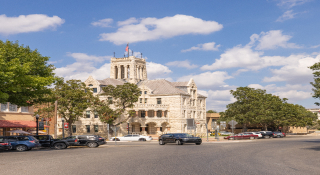
New Braunfels

Odessa

Palestine

Pampa

Paris

Pearsall

Pecos

Plainview

Plano
Port Arthur

Port Lavaca
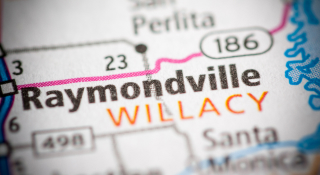
Raymondville

Rio Grande

Rockport
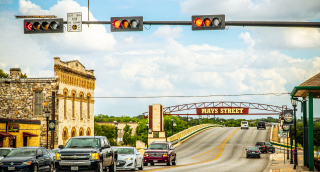
Round Rock

San Angelo

San Antonio

Snyder

Stephenville

Sugar Land
Sulphur Springs

Sweetwater

Temple

The Woodlands
Tyler
Uvalde
Vernon

Waco

Zapata
By clicking Start Quote, I agree to the Privacy Policy and Terms of Use, which affect my rights.
By clicking Start Quote, I agree to the Privacy Policy and Terms of Use, which affect my rights.